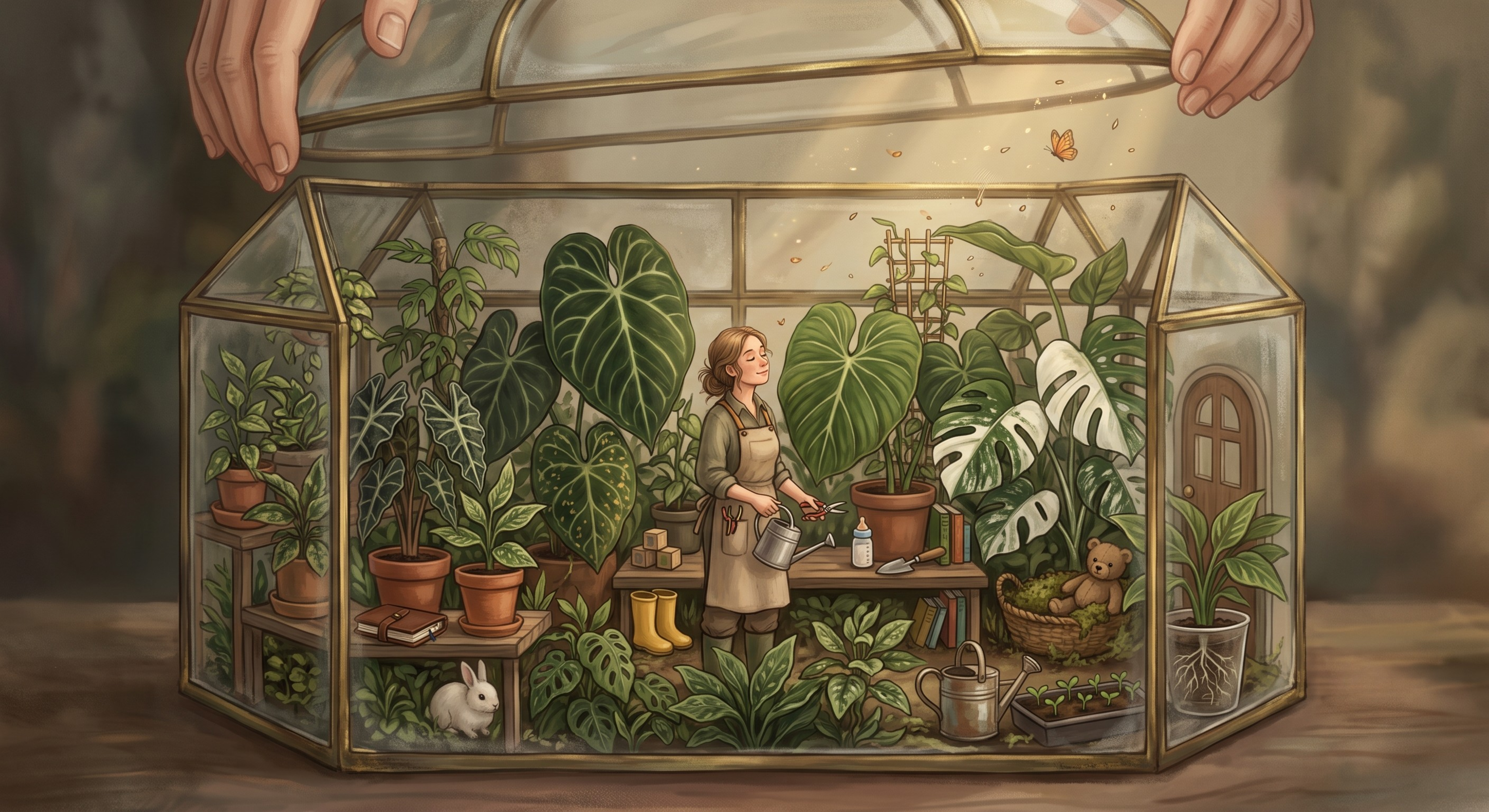
A few days ago I had what we Australians affectionately call a “menty b.”
I was overwhelmed, exhausted and running on empty.
My husband stayed home from work, took over with the kids, and organised for family to have them for a few days.
I’m incredibly grateful.
But afterwards I realised something that had never really occurred to me before.
Whenever I said I was struggling, the conversation almost always turned to what might be wrong with me.
“Have you been to the doctor?”
“Are you seeing someone?”
“You should join a mums’ group.”
“Maybe try playgroup.”
“Get out of the house more.”
None of those are bad suggestions.
In fact, they’re usually given with genuine care.
But almost nobody asked the one question that would have helped me the most.
“What if we took the kids for a couple of days?”
That isn’t a criticism of anyone.
It’s just an observation.
We’ve become so quick to look for something to diagnose that we sometimes forget to look at the workload.
If someone told you they were working eighteen-hour days, seven days a week, with no annual leave and no weekends, your first thought probably wouldn’t be that they needed therapy.
You’d probably tell them they needed a break.
Yet somehow parenting is different.
If you’re struggling, people assume the problem must be you.
For a long time, I assumed that too.
Every time someone suggested a doctor, a mothers’ group or another solution, I nodded along because I thought they might be right.
Maybe I wasn’t cut out for motherhood.
Maybe everyone else was coping better.
Maybe I just needed to try harder.
Maybe there really was something wrong with me.
Looking back now, I don’t think those people were wrong.
I think we were all asking the wrong question.
The funny thing is, none of those thoughts survived a couple of quiet days.
The break didn’t solve everything.
It simply gave me enough space to realise I wasn’t broken.
The moment I had room to breathe, I wasn’t searching for myself anymore.
I was writing.
Thinking.
Researching.
Planning.
Talking to my husband for hours about ideas that had absolutely nothing to do with parenting.
I felt like… me.
People often tell me I should join a mothers’ group or spend more time around other mums.
I know they’re trying to help.
The thing is, I’m an introvert.
Not the kind of introvert who hates people.
The kind who is drained by conversations that never go beyond the surface.
I know those conversations are meaningful for a lot of people, but they aren’t the conversations that fill my cup.
I’d honestly rather be chasing my kids around the playground than sitting on the sidelines trying to force a conversation that doesn’t come naturally.
The conversations that stay with me are the ones that wander. The ones that start with a simple question and somehow end three hours later talking about life, creativity, psychology, philosophy or some weird rabbit hole neither of us expected to disappear into.
Those conversations don’t drain me.
They give me energy.
I don’t want motherhood to be the only thing people know about me.
Ironically, I also don’t need it to be the thing we bond over.
Motherhood is the most important role in my life.
It just isn’t my entire identity.
And maybe that’s the biggest thing I’ve learnt through all of this.
I don’t want a different life.
I don’t want to be away from my children every week.
I don’t want someone else to raise them.
Being their mum is the greatest privilege I’ve ever been given.
For most of my life I genuinely believed I’d never experience this. I always told myself I didn’t want children, but looking back I think I just couldn’t imagine ever feeling ready. Then life made the decision for me, and it turned out to be the best thing that has ever happened to me.
If, at the end of my life, the thing I’m proudest of is being their mum, I’ll consider that a life well lived.
But loving something with your whole heart doesn’t mean you never need to step away from it.
It means you care enough to make sure you can keep showing up as the person you want to be.
I’ve stopped looking for someone to fix me.
Not because I have all the answers.
But because I’m starting to think I was asking the wrong question.
Maybe not every struggle needs a diagnosis.
Maybe some struggles simply need room to breathe.
And maybe the most meaningful support we can offer isn’t always advice.
Sometimes it’s saying,
“We’ll take the kids this weekend.”
🌿🖤
Bec
Leave a Reply